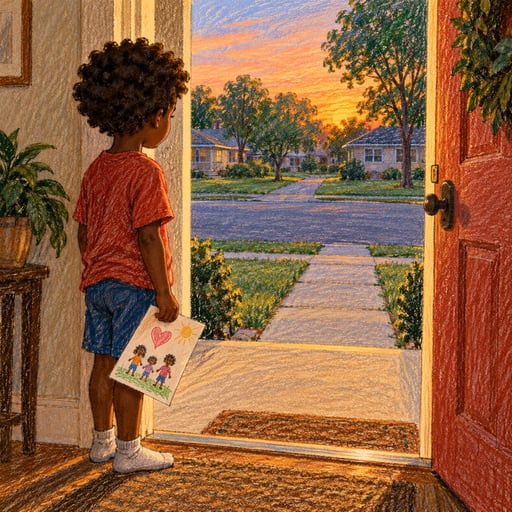
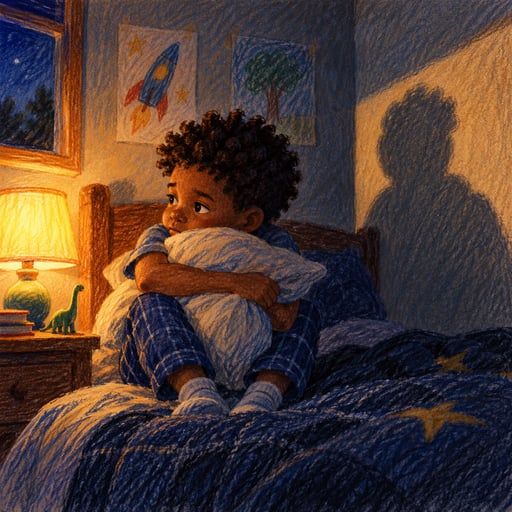
Find your story across the library →
NEW RELEASE Repeating Hell The Ones Who Carried album ↗
THE ONES WHO CARRIED PRESENTS
UNSEENMUSIC. Stories once unspoken.
Enter the album EXPLORE THE MUSIC
32 SONGS · FOUR CHAPTERS Childhood Trauma Explore album → NEW ALBUM The Ones Who Carried Listen to Repeating Hell → The Life Behind the Lyrics →
AN UNSEEN ORIGINAL / LISTEN EXCLUSIVELY HERE
FREE TO LISTEN · NO ACCOUNT REQUIRED
A SOUNDTRACK TO THE THINGS WE CARRIED
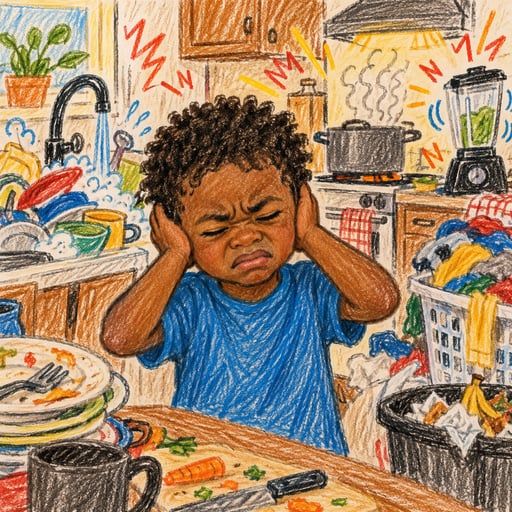
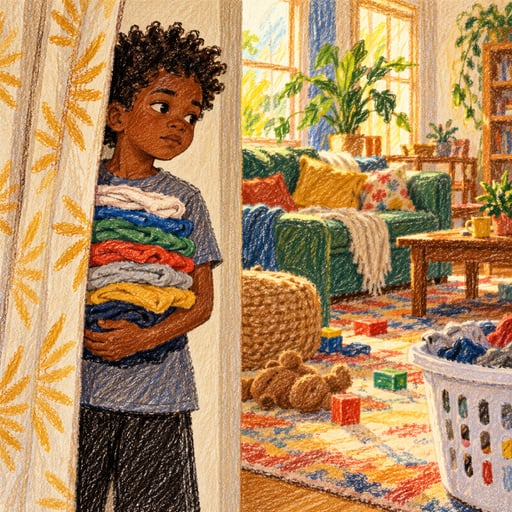
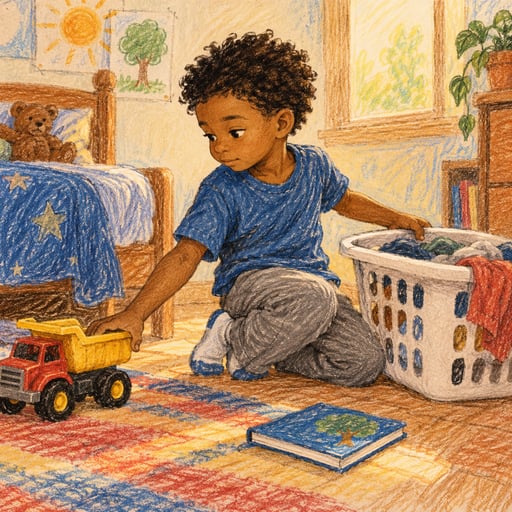
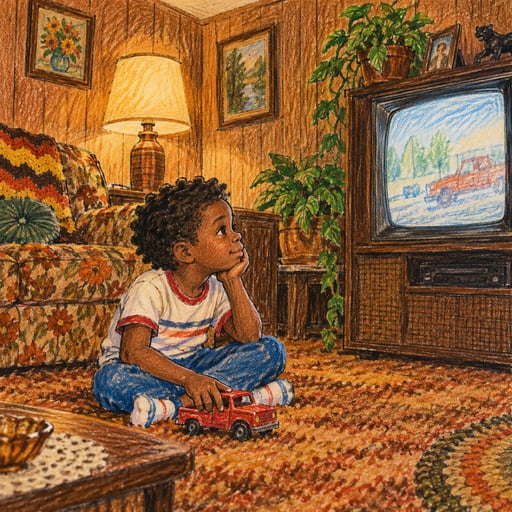
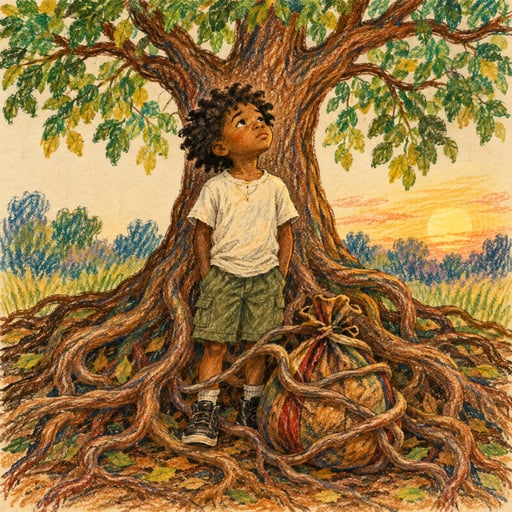
ChildhoodTrauma. For the children who became caregivers. For the ones who had to be strong. For everything we held before we had the words.
Play Full Album 32 tracks · Free to listen Your browser does not support audio playback. Checking listening availability…
A NEW ALBUM · THE ONES WHO CARRIED
THE ONESCARRIED A separate collection of songs for the people who carried what nobody saw.
01 Repeating Hell First release
02 I Used to Be Enough 4:30 · New release
03 If I Knew Then 3:36 · New release
04 If You Knew My Side 3:36 · New release
05 Quién Cuida de Mamá 3:46 · New release
06 Pouring Up for Mama 3:58 · New release
THE ONES WHO CARRIED
Repeating Hell ×
THE ONES WHO CARRIED · TRACK 02
I Used to Be Enough ×
THE ONES WHO CARRIED · TRACK 03
If I Knew Then ×
THE ONES WHO CARRIED · TRACK 04
If You Knew My Side ×
THE ONES WHO CARRIED · TRACK 05
Quién Cuida de Mamá ×
THE ONES WHO CARRIED · TRACK 06
Pouring Up for Mama ×
WHY THIS EXISTS
THE ONESCARRIED. Some carried responsibility too young. Others carried families, grief, illness, love, or the weight of being the one everyone needed. These songs are for every person whose story went unseen.
Read our stories KEEP THE MUSIC HERE
LISTEN FREE.SUPPORT IF YOU WANT. Every song is free to hear. Supporting this independent work will always be optional.
Fan contributions are not accepting payments yet.
After Dialysis
The day wasn't over when treatment ended.
Before it was a song
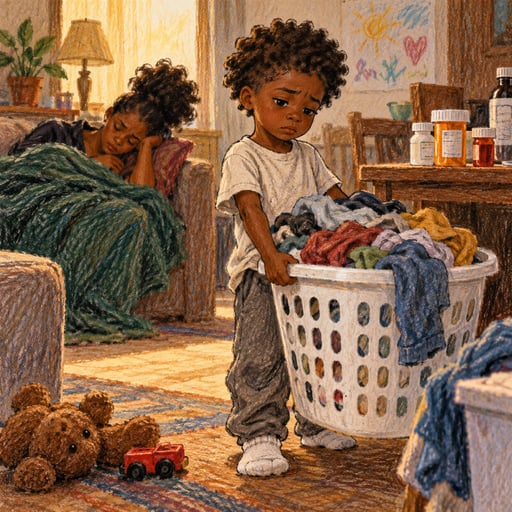
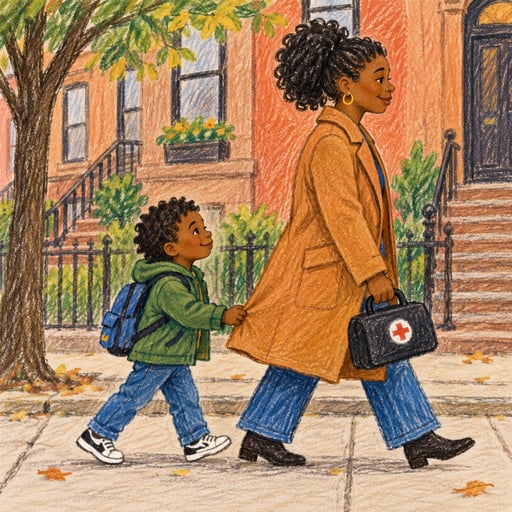
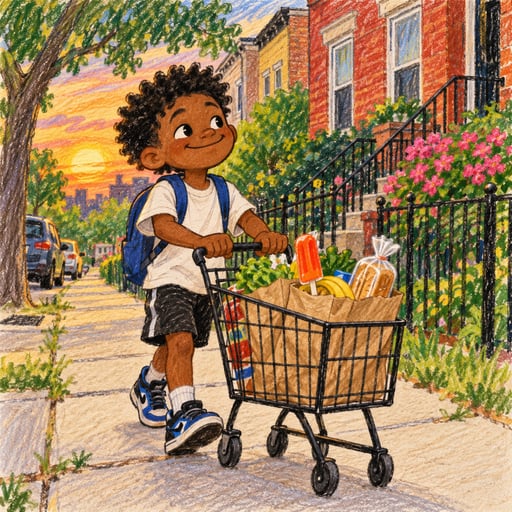
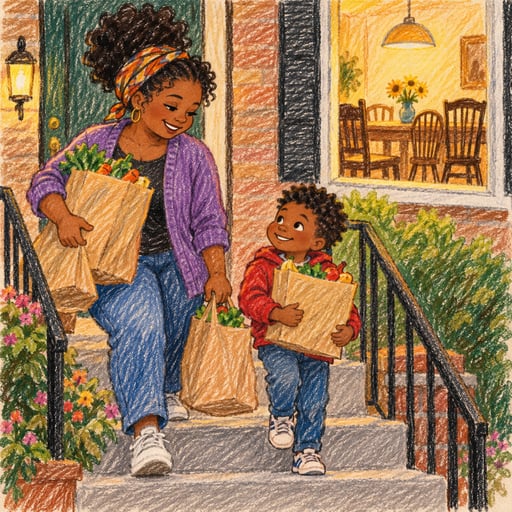
Monday, Wednesday and Friday. Two buses across Tampa. Four hours of dialysis. Then groceries at Kash n Karry and two more buses home. The song remembers the part of caregiving that continued after the hospital visit was over.
Behind the words
I learned the dialysis schedule
The line brings two parts of childhood together: what a child was supposed to be learning at school and what he had to learn to help his mother.
Nobody talks about the ride back home
The ride home is at the heart of this song. Treatment ended, but the responsibilities did not. It remembers the ordinary work that so often went unnoticed.
Read the full story
Where Were You
Being there for everybody is not the same as having somebody there for you.
Before it was a song
This song is about the difference between being told you are loved and actually receiving help when you need it. The hurt is not only that someone was absent. It is that the person you counted on was absent when it mattered.
Behind the words
I gave you trust I gave you time
The words speak to a relationship where giving and receiving were not equal. The question is not about keeping score. It is about wanting someone to show up for you too.
You came around when it looked alright
Coming back after the difficult part is different from being there through it. The song makes room for the hurt of remembering who was missing.
Mama’s Last Words
One missed moment does not erase years of love.
Before it was a song
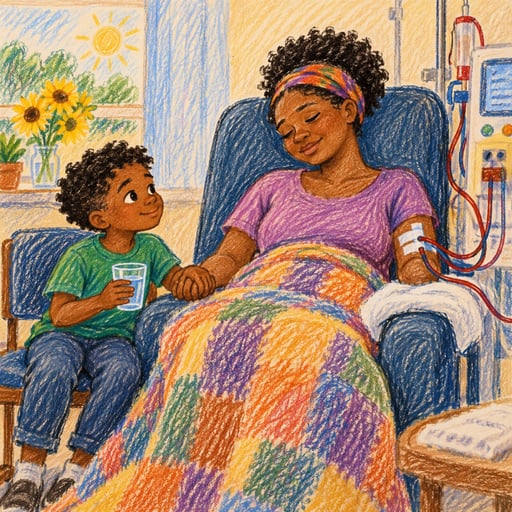
The song begins with a request for water. What should have been an ordinary moment becomes a memory the singer keeps returning to. It is about wanting to remember Mama’s final words and having to live with not knowing them.
Behind the words
I had the water I thought we had time
The pain comes from believing there would be another conversation. The song does not pretend to know what Mama said or put words in her mouth.
But I loved you then I love you still
The whole relationship matters, not only its last minute. That is the reminder at the heart of the song.
I Thought We Had More Time
An original companion story inspired by the song
There is a moment in Mama’s Last Words that stays with you. A mother asks for water. Her son tells her he will be back in a minute. He returns with the glass, thinking there will be more time to talk.
He did not know that this ordinary moment would become one he would keep going back to. The song is not about remembering a perfect goodbye. It is about searching for words that may never come back.
When you spend years caring for someone, there are so many little things that make up a life together. Conversations. Jokes. Appointments. The times you showed up because someone you loved needed you. Then grief can make one unfinished moment feel bigger than all of them.
Maybe you have a moment like that too. Something you wish you had said. A call you wish you had answered. A goodbye you did not know was a goodbye.
You cannot go back and change that moment. But it was not the only moment you shared. There was love before it. There was a life before it. There were all the days you were there.
Not remembering the last words does not mean you forgot the person. And not knowing it was the last time does not take away the love you gave.
That is what Mama’s Last Words leaves us with. A son who cannot remember the goodbye, but remembers being there.
I Stayed Seven
Growing older does not mean every memory grows old with you.
Before it was a song
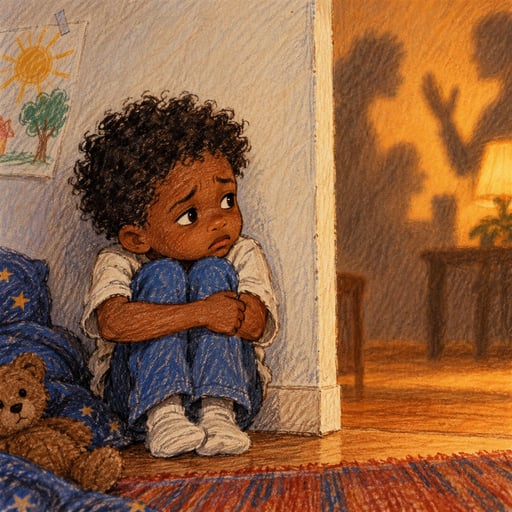
The song moves between a kitchen at seven years old, later childhood, and adulthood. It describes a child watching the room, listening to familiar sounds and trying to work out whether Mama is safe. Its title holds those years together.
Behind the words
I read his face before I knew why
Instead of describing fear in big words, the song shows it through a child’s attention to small changes in the room. A face or sound can tell a child something is about to change.
He got to forget
The ending is about the difference between someone forgetting what happened and someone else still carrying the memory. Seven is the age the song keeps returning to.
Two Beds, One Boy
Two people needed care. The boy needed care too.
Before it was a song
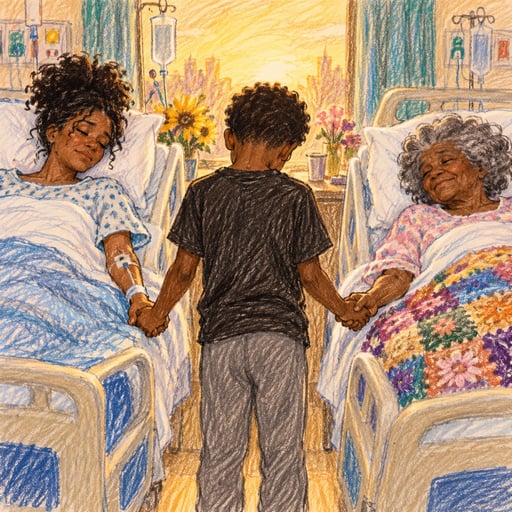
This song remembers a childhood divided between caring for Mama and Grandma. Its picture is simple: two beds and one boy. The lyrics give space to the love he had for them and the responsibility that came with being needed so young.
Behind the words
Two beds one boy both lives in my hands
The two beds represent two people the boy loves and wants to help. The song asks listeners to notice the child between them, not just the care he gave.
I learned how to help before I learned how to play
Helping became part of everyday life before the boy had much room for the ordinary things children do. The song holds both his love and what that responsibility cost.
Explore the related framework: The Childgiver
One Small Flame
The child who became the light deserves a chance to rest.
Before it was a song
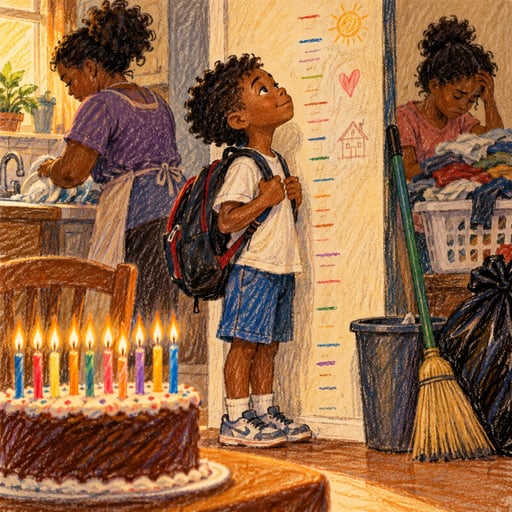
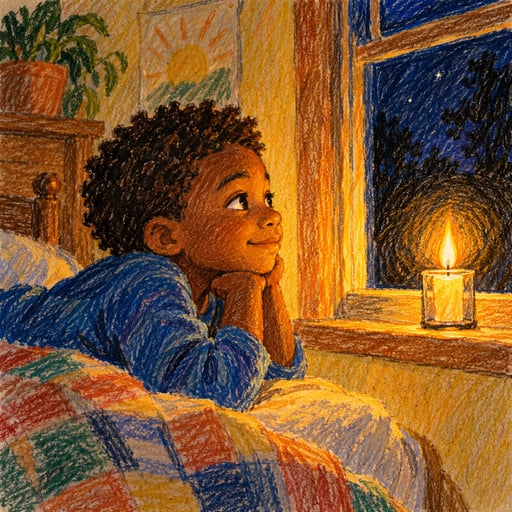
The flame in this song connects childhood responsibility with the adult who is still ready whenever someone needs help. The lyrics move from the boy watching a candle to the grown man standing in a quiet kitchen. The song ends somewhere different from where it began.
Behind the words
I was just a child but I stood in the fight
The flame represents the hope and responsibility the child tried to hold onto. The song recognizes what he did without suggesting that a child should have had to do it.
I carried that promise through every night
The final words change the promise. Instead of asking that child to keep holding everything together, the song gives him permission to rest.
On My Nerves
Sometimes the person you need a break from is the person you still want beside you.
Before it was a song
This song takes place between two adults who love each other but have stopped hearing each other clearly. Money, pride, hurt and everyday responsibilities enter the argument. Neither person is presented as perfect.
Behind the words
King size bed whole freeway between both sides
The distance is not measured in miles. Two people can share a bed and still feel far apart.
But if I win every argument
The last question shifts the focus from proving who is right to what the relationship is losing.
When Love and Frustration Share a Bed
An original companion story inspired by the song
There are two people in a king size bed. Neither wants to be the first to speak. The song makes their silence feel bigger than the room.
Then a phone needs charging. Even while angry, one person plugs it in. The next morning there are two plates of food. Nobody has said what needs to be said, but somebody still thought about the other person.
Those small gestures do not erase cruel words. They show why the argument is not the whole relationship. The song also admits how easily the person who knows you best can use that knowledge to hurt you.
Bills are still due. The children still need things. Both people want somewhere to put their pain, and sometimes they put it on each other instead of talking about it.
If you recognize that bed, that silence or that second plate, the question is not how to pretend everything is fine. It is how to be honest about what hurts without turning the person beside you into the enemy.
Love does not make every argument harmless. Caring for someone includes learning to listen, taking responsibility for your words and respecting each other’s boundaries. Winning is not worth losing the person or yourself.
Paper-thin Walls
A little boy wanted to trade places with his mother so she would not hurt anymore.
Before it was a song
The opening describes a child hearing his mother cry and asking God to take her pain away. The thin walls make her suffering impossible to shut out. The song follows that fear into adulthood without pretending the child could have fixed it.
Behind the words
Take my mama’s pain and put it on me
The prayer expresses a child’s love and helplessness. He would rather hurt himself than keep hearing Mama suffer, but her illness was never something he was responsible for curing.
Watching a little boy carry things
The grown voice looks back at the child and finally notices how much was being asked of him.
I Asked God to Give Me Her Pain
An original companion story inspired by the song
In Paper-thin Walls, a boy hears his mother crying. He puts his hand on her back and asks God to trade their places. It is a request made out of love, but it is also a request no child should have to make.
He does not have medicine that will make everything better. He does not know how to stop the tears. He is waiting for somebody older to come and help.
The song moves from that room to a bus stop before sunrise in 1995. A dialysis folder is in Mama’s hand. For the boy, the whole world is right there with her.
Years later, the song returns to the same fear. It describes moments when the room feels strange and the singer feels far away from his own life. The child’s worry did not simply disappear when he grew older.
If you were the child listening through a wall, you may remember wanting to do anything to make the person you loved feel better. Being unable to stop their pain was not a failure of your love.
The boy deserved someone to sit beside him too. He deserved an adult who would hear his fear and stay. He was somebody’s child, even while he was trying so hard to help.
I Googled How Long
Wanting an answer is not the same as wanting someone gone.
Before it was a song
The song opens at three in the morning with a dimmed phone and a question about illness that the singer cannot bring himself to say aloud. It explores uncertainty, guilt and the need to prepare for a future he cannot predict.
Behind the words
Dimmed the screen so nobody knows
The hidden screen captures the shame surrounding a difficult question. The search is an attempt to understand what might happen, not a wish for death.
I love you means I want you here forever
The bridge holds two feelings together. Wanting a loved one to stay and wanting their suffering to stop can exist at the same time.
The Search Nobody Was Supposed to See
An original companion story inspired by the song
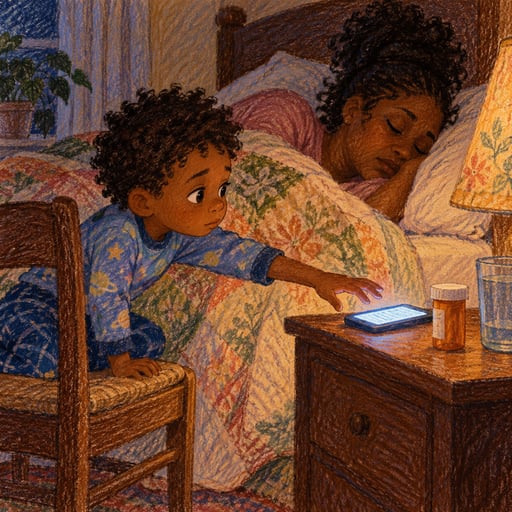
The person being cared for is asleep. The caregiver is not. The song begins with the glow of a phone and a question about how long someone can live with a serious illness.
He wants a number. Something he can plan around. The search leads from medical questions to money, medication and other caregivers asking similar things. None of it gives him the certainty he wants.
There is another question underneath the one he typed. What does it say about me that I am even asking this? He loves the person he is caring for, and he is afraid that wanting an answer will be mistaken for wanting the person gone.
The song does not give him a date. It leaves him awake at three fifteen, still loving, still wondering, with another day of caregiving ahead.
If you have searched for something like that, you may recognize the difference between wanting information and wanting an outcome. No search result can tell you exactly when a particular person will die. A medical team can help explain what is known, what remains uncertain and what support is available.
The question on the screen is not the whole story of a caregiver. Neither are the feelings they are afraid to admit. There is room to talk about both the love and the uncertainty.
You Still Mine MaMa
Her absence did not end the relationship between a mother and her son.
Before it was a song
The song remembers years of dialysis care and the routines that remain after Mama’s death. It also follows the son into later life, where caring for other people reminds him of what he learned while caring for her.
Behind the words
Monday Wednesday Friday
The treatment schedule became a shared rhythm. The days of the week carry a meaning that goes beyond the calendar.
The boy who grew up fast
The song connects the boy’s childhood responsibilities to the adult’s commitment to being present for his family. It is a connection, not an obligation to spend the rest of his life carrying everything.
I Never Stopped Being Your Son
An original companion story inspired by the song
Monday, Wednesday and Friday. In this song those are not ordinary days of the week. They were the rhythm of a mother and son whose lives were shaped by dialysis.
The song describes waking early long after Mama is gone. It remembers the measurements, the appointments and the things a boy had to learn because he loved someone who was ill.
As the song moves forward, the boy becomes a man. He is still caring for people. Some of the things he learned beside his mother have become part of the way he responds when somebody needs help.
But the words You Still Mine MaMa are not only about caregiving. They are about belonging. The relationship does not stop mattering because the person is no longer here.
Someone might tell a grieving son to move on. The song asks what moving on means when so much of your life was spent beside the person you lost.
You can carry what someone taught you without having to carry every responsibility forever. You can make room for your own life without leaving their memory behind. A son does not have to keep proving his love to remain somebody’s son.
You Did Enough
The grass grew back. The boy had already given more than a child should have to give.
Before it was a song
The song follows a boy pushing a lawnmower to earn money and help his household. It turns an ordinary childhood job into a story about responsibility, pride and the cost of feeling that he always had to do more.
Behind the words
The money meant medicine that much I knew
The money represents more than a reward for work. The boy connects it to someone’s care, a responsibility that was too large for his age.
Now I tell him softly as the daylight falls
The ending is the adult speaking to the child he once was. He is not being asked to work harder or prove his worth again.
The Boy Behind the Lawnmower
An original companion story inspired by the song
The first thing you hear in You Did Enough is the work. The pull of the cord, the heat, the grass and the hands on the mower. A boy is trying to turn another yard into something that will help at home.
The song tells us what the money means to him. Medicine. That changes the meaning of the job. The yard is not simply a way to earn spending money.
When the engine goes quiet, the song does not give him an audience or a celebration. It gives him another moment in a childhood where work had become part of how he tried to take care of the people he loved.
Years pass. The grass grows back. The grown man can still recognize the boy who believed that whenever someone needed something, he had to be the one to answer.
There is pride in what that boy did. There is also grief for what he missed. Both belong in this story. Recognizing the cost does not take away the good he tried to do.
If your childhood was spent working to keep things together, you deserve more than another compliment about how strong you were. You deserve to know that you were worth caring for before you earned a dollar or finished a single yard.
The boy behind the lawnmower had done enough. He deserved a childhood too.
Eleven Years Old
He was learning how to hold everything together before anyone noticed he needed help.
Before it was a song
The song looks back at an eleven year old trying to stay useful and brave around hospital machines. It follows the rules he learned as a child into adulthood, then questions whether he still has to live by them.
Behind the words
They called me strong like that made it okay
Calling a child strong does not make the responsibility placed on him appropriate. The song asks us to notice his fear alongside everything he managed to do.
I can set down the weight and still carry the love
The ending separates love from the need to keep carrying everything. The adult can honor that child without asking him to keep proving himself.
The Age I Stopped Being Little
An original companion story inspired by the song
Eleven years old. In this song, hospital lights and machines are part of a boy’s ordinary day. He tries to look alright because somebody he loves needs him.
People see how much he can handle. What they do not see is the fear he takes home with him. The boy learns to watch faces, to stay ready and to make himself useful. There is very little room left for him to ask a question or cry.
The song does not suggest that he suddenly became an adult on his eleventh birthday. It shows how circumstances kept asking him to act like one while he was still a child.
Those lessons follow him into grown life. He still feels the pull to give more, to keep his fears to himself and to avoid being another person’s worry.
Maybe you remember the age when people began expecting more from you than a child could reasonably give. You may be proud of what you managed and still wish somebody had stepped in.
The boy in this song did not need another reason to be brave. He needed someone to notice that he was eleven. The grown man can finally give that part of himself a voice.
Kash N Karry
One bag held groceries. Another part of the journey meant being ready if Mama got sick.
Before it was a song
This song returns to the bus rides, dialysis days and grocery bags of a childhood changed by illness. Unlike After Dialysis, which focuses on what came after treatment, Kash N Karry puts the boy’s fear and the meaning of the bag at the center.
Behind the words
Two buses there two buses back medicine by my side
The bag is a practical thing a child has to think about. It reveals how much preparation went into getting through an ordinary trip.
They see the man I am
The song moves from the boy on the bus to the adult people see today. It asks listeners to recognize the childhood behind the person standing in front of them.
The Groceries Still Had to Get Home
An original companion story inspired by the song
Kash N Karry is the name of a grocery store, but in this song it is also the name of a memory. A boy has groceries in his hand. His mother has been through dialysis. They still have buses to catch.
The bag is important for another reason. Mama might get sick on the ride. The lyrics describe a child who has already learned to be ready for that possibility.
People around him may see a boy traveling with his mother. The song tells us what the trip feels like from his side: the fear, the tiredness and the work of keeping things together while the world continues around them.
There is school too. The song remembers being tired and having things happening at home that were difficult to explain. What looks like an ordinary school day to somebody else can come after a very different morning.
That is why the store name matters. It holds a piece of a life that cannot be summed up by a hospital visit or a compliment about how strong a child was.
If you remember a grocery bag, a bus route or another small object from the years you spent caring for somebody, you may know how much a simple thing can hold. The child carrying that bag was carrying more than anyone could see.
Eat Last
Everybody had something on their plate. The person feeding them had needs too.
Before it was a song
The song uses food and hunger to describe a life organized around other people’s needs. It is about giving until there is little left for yourself and learning to see that pattern for what it costs.
Behind the words
I fed everybody first I learned to eat last
Eating last works as both an image and a way of living. The singer has learned to put his own needs behind everybody else’s.
If I sit down everything fall
The bridge shows why even stopping can feel difficult. When someone believes everything depends on them, rest can seem like a risk.
Everybody Ate Before Me
An original companion story inspired by the song
There is a table in Eat Last. Other people have full plates, but the voice in the song is still hungry. That simple picture tells us something about the person who has spent years making sure everyone else has enough.
The hunger is not only for food. It is for help, attention and a place to put the weight he has been carrying. The song asks what happens when looking after everybody else becomes the only role a person knows.
As a child, the singer learns to act older than he is. Later, people see what he can accomplish without seeing what it took. He becomes someone they expect to keep standing.
The hardest part is that sitting down no longer feels simple. The bridge makes that clear. He believes that if he stops, everything will fall apart.
Maybe you have been the person who checks on everyone else before anybody checks on you. Maybe you have learned to say that you are fine because explaining what you need feels like one more job.
There should be room for your plate too. You can care about the people around you without treating your own needs as whatever is left over. You are part of the family you have been trying to feed.
Ten Damn Minutes
He is not asking for the whole world to stop. He is asking for ten minutes.
Before it was a song
This song gives voice to the anger and exhaustion of being the person everyone turns to. Its repeated request for ten minutes is a small amount of time carrying a much larger need to be heard.
Behind the words
Do not need forever
The request is deliberately small. The singer wants a little space without having to explain, solve or carry another problem.
Ask me how I am doing
He is not asking for another speech about being strong. He is asking someone to listen long enough to understand what he is going through.
Can Nobody Need Me for a Minute?
An original companion story inspired by the song
Ten minutes. That is the amount of time the singer keeps asking for. He does not ask for a vacation or a perfect life. He wants a little time when nobody expects him to make things easier.
The song describes someone who can hear a change in another person’s voice and know that something is wrong. When his own voice changes, people do not seem to notice in the same way.
He has made being dependable look so ordinary that others may forget how much it takes. The anger in the song comes from feeling needed for what he does but unheard as a person.
Then comes the question of saying no. The lyrics describe how quickly a request for space can be treated as selfishness. But needing rest and caring about somebody can exist together.
If you recognize that feeling, you may not need somebody to tell you how strong you are. You may need a person who can hear you say that you are tired without turning it into another argument.
Ten minutes will not fix years of exhaustion. The request matters because it asks other people to notice that the person they depend on is a person too. He deserves more than a brief break, and he deserves to be heard.
Nobody Ever Thanked You
They saw what you held together. They did not always see what it took.
Before it was a song
The song begins with a child trying to keep a struggling household together. It then turns toward everyone whose efforts were treated as ordinary and whose needs were overlooked.
Behind the words
They called you strong like you had a choice
Praise for being strong can miss the fact that someone needed help. The song recognizes the effort without treating the burden as something the child chose.
If you carried it and nobody knew
The closing words turn a personal memory into a message for other people who have carried responsibilities without recognition.
The Thank You That Never Came
An original companion story inspired by the song
Nobody Ever Thanked You begins in a house where a child is trying to hold things together. Bills are on the table. Mama is sick. People assume the boy can handle what needs doing.
Years later they see the person he became. They may notice his strength, but the song keeps asking them to look at what came before it. The nights he did not sleep. The fear he hid. The times he needed somebody too.
A thank you cannot give a person back the childhood they missed. It cannot replace the help that should have arrived. But it can be the beginning of noticing what was taken for granted.
The song is not asking for a trophy. It is asking people to recognize a life that has often been understood only through what that person did for everyone else.
Maybe nobody ever asked what it cost you to keep things moving. Maybe the people who benefited from your help never knew how close you were to running out of it.
You did not have to look strong for your effort to matter. You did not have to hide your pain for your love to count. Whether or not the thank you ever comes, what you carried deserves to be seen.
Nobody Came
Being able to do it alone does not mean you should have had to.
Before it was a song
This song remembers asking for help and receiving silence. It follows the singer from waiting for someone to arrive to learning to rely on himself. It recognizes what he built without celebrating the absence of help.
Behind the words
I kept calling for help got silence instead
The opening verse makes clear that independence did not begin with a refusal to ask. It came after attempts to reach other people.
They call it strength I call it surviving the flame
The song draws a distinction between how others see a person and what that person had to do to survive.
The Day I Stopped Waiting
An original companion story inspired by the song
Nobody Came begins with something missing. There is no knock at the door. There is nobody arriving to take some of the pressure away. The voice in the song remembers asking for help before he learned to stop expecting it.
People sometimes tell a person to reach out as though the idea had never occurred to them. The song asks us to consider the times they already tried, and how it felt to be met with silence.
Eventually the singer starts building what he needs with what he has. He becomes someone who can handle things on his own. From the outside, that can look like confidence. From inside the song, it is also the result of disappointment.
There is something to be proud of in what he built. But the absence of help is not something he had to earn or something that made his needs less important.
Maybe you recognize the moment when it became easier to do something yourself than to risk another disappointment. You deserved dependable help then, and you still deserve it now.
Learning to stand on your own does not mean you must stay alone. The people who failed to show up do not get to decide whether anyone else can be trusted.
Quiet Hurts
The silence came after the words went unheard.
Before it was a song
The song describes a person who used to explain what was wrong and reach out for help. After repeated disappointment, he begins keeping things to himself. It is about the distance that grows when speaking no longer feels worthwhile.
Behind the words
I do not talk like I used to
Being quiet is not presented as having no feelings. The feelings remain even when the person stops expressing them.
If I go quiet do not ask me why
The bridge asks listeners to remember the attempts that came before the silence.
There Was a Reason I Stopped Talking
An original companion story inspired by the song
The person in Quiet Hurts did not begin with silence. He remembers explaining himself, trying again and hoping someone would understand. What changed was not the existence of his feelings. It was his willingness to keep explaining them.
When people notice the distance, they may say he has changed. The song turns that question around. What happened during the times he was still willing to talk? Who listened when the conversation became difficult?
There is a late night drive in the lyrics, with the window down and the singer thinking about those earlier attempts. He has learned to keep more inside, even though he still feels it.
Silence can protect someone from another disappointing conversation. But it can also leave them alone with things that deserve to be heard. The song makes room for both sides of that experience.
If you recognize yourself here, you do not have to explain everything to everyone. You can choose where and with whom you speak. And you deserve a listener who takes your words seriously.
The quiet person is still a whole person. There is a story behind the silence, whether or not they are ready to tell it.
1:47 AM
The world was quiet, but the pain was not.
Before it was a song
The song brings together a late night crisis, memories of Robles Park and childhood caregiving. It describes the loneliness of being praised for survival while feeling unseen in pain. Mama’s remembered voice becomes a thread of connection in that difficult night.
Behind the words
Everybody says be strong like strong don’t break
The hook challenges the assumption that someone who appears strong must be doing well.
They clap for your survival never ask what survival is
The verse asks people to look beyond the fact that someone made it through and notice what they are still living with.
When Everybody Sleeps Except You
An original companion story inspired by the song
At 1:47 in the morning, the singer is awake and struggling with thoughts he cannot easily share. The song gives that hour a name because the rest of the world can seem very far away when you are hurting alone.
Memories of childhood return in the verse. Robles Park, Tampa nights, two buses to dialysis and the pressure to grow up before he was ready. The song connects the present night to years of carrying fear quietly.
People may see the smile or hear the word strong and assume everything is alright. The lyrics ask them to pay attention to what that appearance can hide.
Mama’s remembered voice is part of what keeps the singer connected to life in the song. It is a moment of remembering love while facing pain that feels overwhelming.
If this song meets you on a night when you are struggling, you deserve more than being told to stay strong. You deserve someone who can listen and help you get through the night safely. You do not need to have the right words before asking for help.
If you are thinking about suicide or feel unable to stay safe, reach out to someone you trust or a crisis service now. In the United States, you can call or text 988. If you are in immediate danger, call emergency services. The pain you feel deserves care, and you do not have to face it alone.
Mama’s Hands Were Cold
Sometimes he held her hand because he needed her too.
Before it was a song
The song remembers a child holding his mother’s hands around dialysis treatment. Its most intimate moment comes when the singer admits that holding on was not only something he did for Mama. Her hands also gave him comfort.
Behind the words
Mama’s hands were cold mine had to be the warm ones
The image of cold hands and warm hands expresses the child’s wish to care for his mother. It also shows how young he was when he began taking on that responsibility.
Not for you
The bridge changes how we understand the gesture. The boy who was trying to reassure Mama was still a child who needed the reassurance of his mother.
Little Hands Carrying a Grown Woman
An original companion story inspired by the song
A boy holds his mother’s fingers in the dialysis parking lot. That is the picture at the center of Mama’s Hands Were Cold. He wants her to know that he is there, even before he fully understands what it means to promise somebody that.
The song puts schoolwork beside treatment, a book bag beside medication and a child’s ordinary life beside the signs of Mama’s illness. He is trying to be her anchor while still growing up himself.
Years later, the singer remembers those machines and the sound of that building. He hears pieces of that experience in the music he makes.
But the bridge is where the song reveals something especially tender. Sometimes the boy held Mama’s hand for himself. He needed to feel that somebody was still there with him.
That is easy to overlook when a child is known for helping. The hands giving comfort are also the hands of a child who needs comfort. Both things can be true at the same time.
If you remember caring for a parent while still needing that parent yourself, this song makes room for that part of your story. You were their child, not just the person who helped.
I’m Not Okay
Surviving and feeling okay are not the same thing.
Before it was a song
The song refuses to turn decades of caregiving into an inspirational story. It gives voice to exhaustion, anger, guilt and numbness while acknowledging love for the people being cared for. Its bleakest lines express how the singer feels, not a prediction of what the future must be.
Behind the words
I don’t want to be inspirational
The singer is asking to be seen as a person rather than as an example of strength.
I don’t want applause don’t want a medal don’t want fame
The final hook makes recognition more important than praise. Listening is not the same as fixing everything, but it can be a place to begin.
Thirty Years of Saying I’m Fine
An original companion story inspired by the song
The morning begins with an alarm, a mirror and another day of responsibilities. In I’m Not Okay, the voice is tired of making that routine look like a story of strength.
The song speaks about years spent caring for people, and the anger and guilt that can sit beside love. It does not ask the listener to choose one feeling and pretend the others are not there.
There is also a loss of identity in the lyrics. The singer struggles to remember what made him happy before appointments, pills and fear became such a large part of his life.
When the song says things will never get better, it captures the depth of the singer’s exhaustion in that moment. It does not mean a person’s future is settled. Being heard, receiving support and getting meaningful relief can matter even after years of struggle.
If you recognize yourself in this song, you do not owe anyone an inspiring version of your pain. You deserve a chance to talk honestly about what is happening, including the parts you worry others might judge.
You deserve practical help and care for yourself as well as the people you love. If you are struggling to stay safe or are thinking about suicide, reach out now to someone you trust or a crisis service. In the United States, call or text 988. You deserve support before things reach a breaking point.
This Is Killing Me
He kept showing up, even when watching Mama suffer was breaking him inside.
Before it was a song
The song follows a boy from the bus stop before sunrise to the dialysis waiting room. Its repeated title expresses the emotional cost of witnessing his mother’s illness while trying to be what she needed.
Behind the words
This is killing me
The pain comes from seeing someone he loves struggle and being unable to change what is happening.
Everybody said I was strong
The contrast between praise and concern reveals what the boy needed from the adults around him. They noticed what he did, but not always how he felt.
Watching Mama Fade
An original companion story inspired by the song
Six in the morning. The streetlights are still on when the boy in this song grabs the dialysis folder. The bus is coming, and there is another treatment to get through.
Inside the waiting room, the machines keep humming. Mama closes her eyes. The boy watches the clock, listens to the sounds and wonders whether she will make it through the week.
He is not thinking about being somebody’s example of strength. He is thinking about his mother. He is trying to make sense of an illness that is bigger than anything a child should have to understand.
What makes the title so painful is that the boy keeps showing up while admitting what showing up costs him. His love for Mama and his fear for her are part of the same experience.
Maybe you have sat beside somebody you love and wished there was something more you could do. Being unable to make them well does not make your presence meaningless. And being there for them does not mean your own pain should go unnoticed.
There was a mother who needed care. There was also a child who needed somebody to ask how he was holding up. Both belonged in that waiting room.
Stopped Being a Child
It was not one birthday. It was the moment being needed began to shape everything.
Before it was a song
The song makes a careful distinction between the events of childhood and the gradual change that came when Mama needed him. Its central idea is that responsibility took the place of the things a child would ordinarily look forward to.
Behind the words
Truth is I was still a kid for a couple more years
The songwriter does not reduce the loss of childhood to the day his father left. He describes a change that unfolded over time.
I do not remember becoming strong
Becoming necessary is different from choosing to become strong. The boy’s sense of himself grew around what other people needed from him.
The Childhood I Never Got Back
An original companion story inspired by the song
People often look for one day that explains why someone grew up too fast. Stopped Being a Child begins by questioning that idea. The singer remembers that even after his father disappeared, he was still a child for a while.
The change he describes came through being needed. Other children talked about cartoons and basketball. He worried about whether Mama would survive the month.
The song returns to three words: Mom needed me. They explain why his attention moved away from what he wanted to become and toward what he could do for her.
There is love in those words. There is also a loss. A child can love his mother deeply and still need time to play, dream, make mistakes and discover who he is.
If you recognize that change in your own life, you may find it difficult to name the things you missed. You were busy living the life in front of you. You did not have to understand the cost while you were paying it.
The years cannot be returned in the same form. But the things you need and enjoy today still matter. Your life can be about more than being necessary to somebody else.
19eighty4
A child does not choose the home or the circumstances he is born into.
Before it was a song
Named for the year of his birth, the song looks across childhood instability, a father’s drinking, poverty and Mama’s illness. It asks how a boy comes to understand himself when the adults and circumstances around him shape so much of his early life.
Behind the words
Like I picked the seat myself and chose the ride would hurt
The image of choosing a seat challenges the shame placed on children for family circumstances they had no power to choose.
Nobody taught me manhood I built mine from disaster
The closing lines of the verse describe the work of finding a direction without a dependable example to follow. They do not suggest that hardship was necessary or deserved.
The House That Raised Me
An original companion story inspired by the song
19eighty4 starts at the beginning of a life. The boy enters a home whose problems were already there. He did not choose his parents, their relationship or the things that happened around him.
The song remembers the sound of a troubled household and the questions a child asks when he watches other fathers with their sons. He wonders what makes his own life different, even though the choices of grown people were never his to control.
Then comes 1995 in the lyrics. Mama’s illness brings another kind of responsibility. School, bus routes and medication become part of a life that no longer resembles the childhood he sees around him.
The song describes poverty through the ordinary things people may overlook: food, bills, homework and the effort of getting through another day. Those details tell a story that the word strong cannot tell by itself.
As the boy grows older, he begins finding his own way forward. The song recognizes that effort without treating the suffering that came before it as a gift.
If you grew up questioning whether something was wrong with you because of the home you came from, your beginning was not a verdict on who you could become. You were a child in circumstances you did not choose.
Bloodline Debt
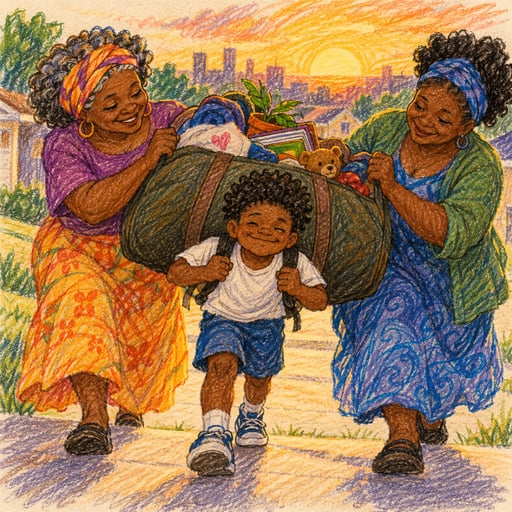
Two women needed care, and a child was left trying to be the whole village.
Before it was a song
The song follows a boy moving between Mama and Grandma, helping with meals and daily care. It examines what happens when responsibility within a family falls disproportionately on one child, and how those habits can remain long after the rooms are empty.
Behind the words
They say it takes a village mine was missing in action
The village is meant to support a child. Here, the child describes having to provide the support that a wider family should have shared.
Two women one hallway one kid and zero help
The hallway is the physical space between two people who need him. It becomes an image of a life divided by responsibilities, with little room for his own needs.
I Was the Whole Village
An original companion story inspired by the song
There are two rooms in Bloodline Debt. Mama is dealing with dialysis. Grandma needs help because part of her body no longer works as it once did. Between those rooms is a boy.
The song follows him down the hallway. He helps with food, teeth, pillows and the light switch. When one person needs something, he turns toward that room. When the other calls, he turns back.
The women are not simply responsibilities to him. He loves them. The lyrics even remember their different ideas about what he needed as a boy. That makes the story more complicated than a list of chores.
The title names the unfairness of the arrangement. Sharing blood should not mean that a child has to carry the needs of a family alone. Love for Mama and Grandma does not excuse the absence of the wider village.
Later, the song describes empty chairs and the habit of setting three plates. The people are gone, but the routines and memories remain. The hallway has become part of how the singer understands his life.
If you were the child who became the village, you deserve to have your love recognized without being asked to carry the entire family forever. The village owed you care too.
Funny How Strangers Show More Love Than Family
A familiar last name does not guarantee the kindness of a familiar face.
Before it was a song
The song contrasts relatives who were absent during difficult years with people outside the family who offered ordinary acts of kindness. It questions the idea that love and loyalty are guaranteed by blood.
Behind the words
Strangers held the door when my own slammed it shut
The contrast makes the small act of holding a door meaningful. Care can come from people who have no family obligation to provide it.
Family asked for updates never offered any relief
Knowing what someone is going through is not the same as helping them. The song asks listeners to recognize the difference between following a person’s struggle and sharing some of its weight.
The People Who Owed Me Nothing
An original companion story inspired by the song
In this song, a boy travels with his mother to dialysis. Some of the people he meets along the way barely know his name. Yet the lyrics remember their conversations and small acts of kindness.
The contrast is what hurts. The people who share his blood are expected to be close, but the song describes moments when their presence does not turn into practical help.
A stranger holding a door cannot fix everything a family is facing. A conversation at a bus stop cannot take away an illness. But the singer remembers those gestures because somebody noticed him when he needed to be noticed.
The song also asks what happens when people return after the difficult years. They see what someone built, but they may not understand the work or the loneliness that came before it.
If you have experienced this kind of difference between family and strangers, you are allowed to appreciate the people who showed up. You can also decide what trust and closeness mean to you now, without pretending the past never happened.
Love is more than a place in a family portrait. It is found in how people treat each other, especially when there is nothing easy about being there.
That Car Stayed Behind
He left a toy in the store, but the memory went home with him.
Before it was a song
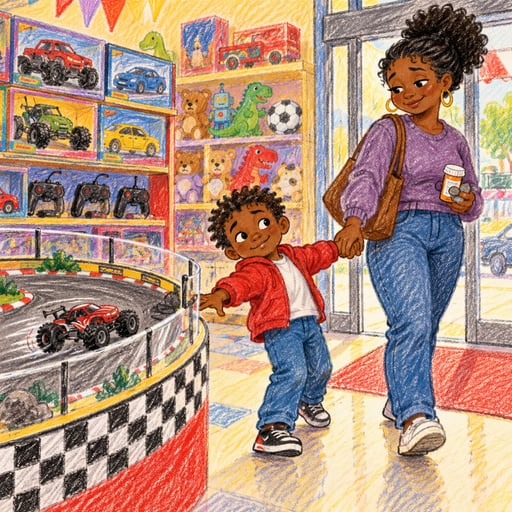
The song remembers a remote control car at KB Toys and a child who puts it back because he understands what the money is needed for. It gives a small decision the weight it carried for that boy.
Behind the words
I pictured that engine tearing up the floor
The first lines place an ordinary childhood wish beside the cost of medicine. The boy is thinking about a decision he should not have had to make alone.
You can love your family and still have a dream
The bridge speaks to that child with a kindness he needed then. Wanting a toy or a dream of his own was not a failure to love his family.
The Toy I Left on the Shelf
An original companion story inspired by the song
The lights are bright at KB Toys. In the song, a boy stands in front of a remote control car, watching its red wheels and imagining what it would be like to take it home.
For a moment, he is just a kid looking at a toy. Then he thinks about the money and what it means for Mama’s medicine. He puts the box down without making a scene.
There is no argument in that part of the song. Nobody has to explain why the boy walks away. He has already learned to work out what the family needs and what he can go without.
Years later, the aisle is still there in his memory. It matters because of more than the car. It is a picture of how early he learned to put his own wishes aside.
Maybe you remember a toy, a school trip or something else you quietly decided not to ask for. There can be love in that choice and sadness in remembering it. Both deserve a place in your story.
The boy did not need to give up every wish to prove he loved his family. He was allowed to want the car. You were allowed to want things too.
Right Behind Mama
Before he knew the name for what he carried, he knew Mama needed him.
Before it was a song
The song looks back on staying close to Mama through dialysis and learning to put her needs first. It connects the child’s daily experience to the adult who still hears the same call to stay ready.
Behind the words
Everybody saw me helping nobody saw the boy
The line separates the help people noticed from the child whose fear and needs they may have missed.
You can be her son you do not have to save the day
The adult voice offers the boy a different understanding of his place in the family. Being her son was enough. He did not have to be responsible for saving her.
Before I Knew What It Was Called
An original companion story inspired by the song
Three days a week. Four hours at a time. In Right Behind Mama, the boy knows the rhythm of dialysis before he knows a word for the role he has taken on.
He watches his mother’s face. He asks whether she is alright. He stays close because he loves her and wants to be ready if she needs him.
From the outside, people see a helpful child. The song takes us closer to the boy who is trying to keep his worries quiet and make himself useful. He is still somebody’s baby, even when he is acting grown.
When the singer looks back as an adult, he can name something he could not name then. He can see how a childhood spent being ready for somebody else shaped the way he responds to life now.
You may have lived through something similar long before you heard the word parentification. A name can help explain an experience, but the experience mattered before anyone gave it a name.
You were more than the help you provided. You were somebody’s child. Loving the person who needed you did not mean you had to become responsible for everything.
They Don’t See This Part
People see that you made it through. They may never see what it took.
Before it was a song
The song draws attention to the ordinary, unrecognized work of carrying pressure day after day. It moves from childhood memories into adulthood, where the same habit of showing up remains.
Behind the words
They just see I made it through
The song asks listeners to look beyond the visible result and consider the effort, sleeplessness and fear behind it.
But I am not fine
Being accustomed to a difficult routine does not mean that the routine is harmless or that the person feels well.
The Part Nobody Sees
An original companion story inspired by the song
There is no celebration at the beginning of this song. There is a hallway, a wall, another morning and the same pressure waiting when the singer wakes up.
That is what makes the song different from a story about one remarkable act of courage. It describes repetition. The work of getting through today when tomorrow may ask for the same thing again.
The lyrics remember a child sleeping in a car and watching someone who was tired but did not say so. Later, the singer recognizes that same silence in his own life.
People can see someone arrive, answer the call or finish the job. What they cannot necessarily see is the amount of effort it took just to get there.
If you have learned to make difficult things look ordinary, you may recognize the frustration of being told that you seem fine. Looking capable is not the same as feeling supported.
The unseen parts of your life matter too. You do not have to wait until you cannot carry another thing before you deserve help.
The Ones Who Carried It
They called us strong. We were children.
Before it was a song
The song moves from specific memories of caring for Mama to a collective recognition of children who carried too much. The shift from I to we makes room for others with similar experiences without claiming their lives were identical.
Behind the words
And they called us strong
The hook challenges the label that often hides a child’s unmet needs. The children deserved care, not simply admiration for what they endured.
We carried too much too young
The final hook connects early responsibility to the difficulty of resting later. It names a pattern without suggesting that the pattern must last forever.
We Were Children
An original companion story inspired by the song
The song begins with one boy and his mother before sunrise. There are hospital blankets, medication and a bus stop. He is trying to keep his fear from making the day harder for her.
Then the voice changes from I to we. The song is no longer only telling the story of that boy. It is making room for people who remember being young and responsible for things that were too big for them.
Some cared for a sick parent. Some tried to keep a family together in other ways. Their circumstances may have been different, but they may recognize the experience of being praised for managing something they needed help with.
The words do not ask everyone to share the same memory. They ask people to notice the child behind the responsibility. That child had feelings, wishes and needs that did not disappear when somebody else needed care.
If you find yourself in this song, your story does not have to match every detail to belong here. What you experienced matters on its own terms.
You were a child. You were worthy of care before you carried anything for anybody. That is the recognition this song is asking us to give.
Don’t Talk Down
Knowing the chart and knowing the person are different kinds of knowledge. Both matter.
Before it was a song
The song speaks from the perspective of a caregiver who feels dismissed while trying to explain a change in his mother’s condition. It asks for respectful listening and for the knowledge gained through daily care to be taken seriously.
Behind the words
You read the chart I know her sound
The caregiver notices familiar sounds and changes because he spends time with his mother. That experience can offer useful information alongside the clinical record.
I am not asking you to agree
The bridge asks for a conversation rather than automatic agreement. Medical training and the caregiver’s observations can complement each other when both people are heard.
You Know the Medicine. I Know Her History.
An original companion story inspired by the song
Seven minutes into the encounter described in Don’t Talk Down, the caregiver feels that his warning is already being dismissed. He has spent years listening to his mother’s breathing, watching her face and noticing when something seems different.
The chart contains information that matters. The song does not need to deny that. It asks the person reading the chart to also listen to the person who knows what an ordinary day looks like for Mama.
A caregiver may not know the medical term for a change they have noticed. That does not make their observation worthless. Describing what changed, when it started and what is different from the usual routine can help a care team understand the concern.
The anger in the song comes from feeling that years of care are being reduced to noise. The bridge makes the request clear: listen before deciding what to do with what I am telling you.
If you have ever been talked down to while trying to speak for someone you love, you deserve respectful communication. You can ask questions, explain your concerns and request another assessment when something seems wrong.
Caregivers and medical teams do not have to be opponents. The person receiving care deserves the benefit of clinical knowledge and the observations of those who know them well.
Repeating Hell
The hardest part of some days is knowing tomorrow may ask for the same thing.
Before it was a song
The song describes the exhaustion of repeating the same caregiving routine, listening for signs of trouble even while everyone else sleeps. Its ending turns toward others who know that feeling.
Behind the words
Just yesterday’s pain in today’s face
The line captures how one difficult day can run into another without enough time to recover.
But we got each other in this place
The final hook introduces connection. It does not erase the pain, but it recognizes that other people understand it.
When Yesterday Never Ends
An original companion story inspired by the song
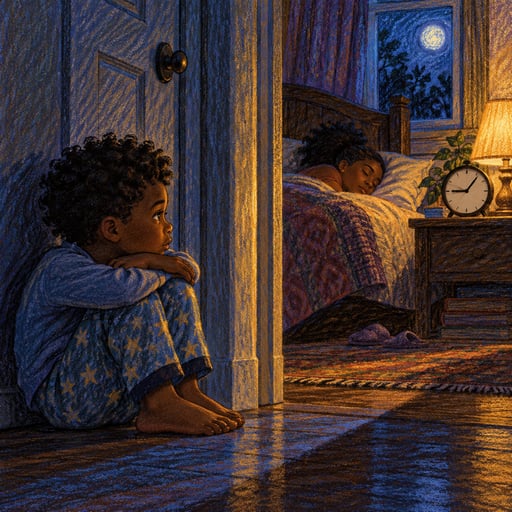
There is no clear end to the day in Repeating Hell. Someone is asleep, but the person responsible for their care is still listening. Every sound can become another reason to get up.
The song moves from one room to another, from one demand to the next. The person doing the work feels empty, yet the work keeps coming. Even sleep can feel like something that belongs to everyone else.
What makes the repetition so difficult is the absence of a dependable break. There is no moment when the singer knows somebody else will take over.
Then the song speaks to a person listening in a car at two in the morning or hiding in a bathroom. It recognizes the small spaces people sometimes find when they have nowhere else to be alone.
If that is your life right now, you deserve more than recognition. You deserve real help, rest and someone willing to share the work. You do not have to accept endless exhaustion as the price of love.
I Used to Be Enough
A change in what a person can do is not a change in what that person is worth.
Before it was a song
The song speaks from the perspective of a husband whose ability to work has changed. He grieves the loss of his former role and fears that the love he once felt depended on what he could provide.
Behind the words
You say you miss the man I was
The singer is grieving too. The change is not only financial; it has affected his sense of himself.
I miss being wanted
The bridge separates being valued for what someone provides from being loved as a person.
I Am Still the Man in That Photograph
An original companion story inspired by the song
There is a photograph above the bed in I Used to Be Enough. The man looking at it remembers a time when he could work, provide and come home believing he had done what his family needed.
Now his body works differently. The song describes a doctor’s folder, unpaid bills and the fear of telling someone what has changed. He is grieving a life he knew how to live.
He understands that his partner is tired too. But he wants to be seen as more than the problem that arrived when his ability to earn changed. He misses being wanted.
This is not a song about a person becoming less worthy because of illness or disability. It is about the pain of feeling that others have started measuring his worth differently.
If you recognize that photograph, you are allowed to miss the person you used to be. You also deserve respect in the body and life you have today. Your worth was never the amount of money your hands could earn.
If I Knew Then
She would change the road that hurt her, not the children she loves.
Before it was a song
The song gives a mother room to speak about regret, broken promises and raising children through difficult circumstances. Its central distinction is between regretting a relationship and regretting the children who came from it.
Behind the words
I regret who I trusted
The mother separates the pain of adult choices from the love she has for her children.
I held him close and said baby be free
The second passage refuses to make a child responsible for repairing the adult’s life.
My Children Were Never My Mistake
An original companion story inspired by the song
Two lunchboxes sit by the door. Bills are waiting in the kitchen. The mother in If I Knew Then is trying to get through a day that looks ordinary to the people who only see her smile.
She remembers promises that did not hold. She wishes she could have recognized the warning signs sooner. But when she looks at her children, she does not wish them away.
The song pauses when her son offers to take care of her when he grows up. She tells him to be free. She wants him to have the childhood and the choices that are his to have.
Not every mother arrives at this situation by the same road. The song recognizes separation, loss, unsafe relationships and parents raising children across two homes. Each story deserves to be understood on its own terms.
If you have ever wished you could change the way you got here without changing the children you love, those feelings can exist together. Your children are not responsible for the pain you experienced. And you deserve care while you are raising them.
If You Knew My Side
Children should never have to choose between the people they love.
Before it was a song
The song answers If I Knew Then from a father’s perspective. He describes trying to provide through work, failing to understand what his partner needed and wanting to show up differently for his children. It is his perspective, not a judgment on hers.
Behind the words
Thought a check could say the words I never said
Providing money did not replace the presence and communication the relationship needed.
But let's never make them feel they gotta choose a side
The final hook places the children’s needs ahead of winning an argument about the past.
Two Homes. No Sides.
An original companion story inspired by the song
In If You Knew My Side, a father remembers double shifts and coming home with little left to give. He believed providing money would speak for him. Looking back, he recognizes the things he did not say and the ways he was not present.
The mother has her own story. His account does not erase it. The songs can sit beside one another without either person being required to agree with every detail.
Then a daughter asks where Daddy lives. The question brings the consequences of adult decisions into a child’s world. She needs to know that she is loved, not to hear a case against either parent.
The father in the song cannot change the years that have passed. He can decide what kind of father he will be now, within arrangements that are safe for the children.
Where safe, parents can give children steady care without needing to restore the relationship they once had. Children should never become messengers or be asked to choose a side. Their need for love and safety comes first.
Quién Cuida de Mamá
Everybody has her number. Who calls just to see how she is doing?
Before it was a song
The bilingual song asks who cares for the mother who is always caring for others. It uses the details of breakfast, work, bills and private tears to show the woman behind the role.
Behind the words
Everybody calls when they need Mama
Everyone calls when they need Mama, but nobody asks how she is doing. The contrast is the heart of the song.
No te llamé para pedirte nada
The closing call asks for nothing. It offers the simple gift of wanting to hear her voice.
Who Takes Care of Mama?
An original companion story inspired by the song
At six in the morning, the mother in the song is already awake making breakfast. The children are still in bed, but her day has begun. There is work to get to, rent to pay and a car that is not cooperating.
The phone rings. Somebody needs something. The song asks us to notice how often people reach for her without asking what she might need herself.
She loves her children, but she also remembers the woman she was before everybody needed her. Those dreams and needs still belong to her.
The ending gives the question a practical answer. Call Mama without asking for anything. Offer to share a task or give her time to rest. Do not wait for an empty chair before telling her she matters.
Si eres la mamá que cuida de todos, tú también mereces cuidado y descanso. No tienes que ser fuerte todo el tiempo. If you are the mother who cares for everybody, you deserve care and rest too. You are allowed to be more than what you do for others.
Pouring Up for Mama
Remembering Mama can include joy as well as tears.
Before it was a song
The song celebrates a mother’s life through music, family gatherings, birthdays and the memory of her love. Its energy makes room for celebration without asking listeners to stop grieving.
Behind the words
Whole family laughing with the tears in our eyes
Laughter and tears can share the same room. Remembering a loved one does not require choosing between them.
This ain’t goodbye this a life we celebrate
The song turns attention toward the life that was lived rather than only the loss.
Say Her Name While the Music Plays
An original companion story inspired by the song
There is a picture beside the birthday cake in Pouring Up for Mama. There is a place at Christmas dinner where someone is missing. Yet the song fills the room with music, family and the sound of her name.
It is different from the quieter songs about losing Mama. Here, the singer wants people to remember the woman whose life helped shape theirs. The beat is part of the celebration.
The lyrics make room for the tears that come while people are laughing. Grief does not have to look the same every day. A favorite song or a family tradition can carry a memory without taking away its sadness.
The invitation is to celebrate the person, not to drink or party in any particular way. You might play her favorite record, tell a story about her or cook something she loved.
If your mother is still here, there is time to tell her what she means to you. If she is gone, there is still room to speak her name. You do not have to stop missing her to enjoy remembering her.
×
View lyrics Share song The Life Behind the Lyrics Discover the story behind the song.